MOTION PICTURE FILM SCAN TEST: FILM STOCKS, FORMATS AND RESOLUTIONS
May 2025
Disclaimer: All images used in this post are solely for the purpose of illustration and should not be used for evaluation. All high resolution data can be downloaded at the end of this page. I purposely decided against scanning with a film scanner, since color science wasn’t a relevant factor for this test and from my research there is no scanner that could provide 2K, 4K, and 6K scans for both Super 16 and Super 35 3-Perf.
1. Test Description
As part of my bachelor thesis at the Film Academy Vienna (the Austrian national film school), Motion Picture Film in a digital Environment (2025), I conducted a test to determine the real life resolution characteristics of Kodak Vision3 color negative films. The goal of the test was not to determine absolute resolution figures; my focus was on identifying practically visible differences between various film stocks, formats (16mm and 35mm), and scan resolutions in a cinema environment. For this test, I examined three Kodak Vision3 film stocks, 50D, 200T, and 500T in two formats, Super 16 and Super 35 3-Perf.
Due to my limited budget and to simplify comparison, I conducted the test using still rather than moving images. I used three Canon EOS 50E 35mm cameras with EF-mount Zeiss CP2 lenses. The decision to utilize Zeiss CP2 lenses was based on their solid optical performance as well as the fact that the availability of high quality cinema lenses with EF mount is limited. From the full 24×36 mm negatives, I cropped the equivalent image sizes for Super 16 and Super 35 3-Perf. To maintain the same field of view between the formats, I used 25mm and 50mm lenses for Super 16, and 50mm and 100mm lenses for Super 35. The tungsten-balanced film stocks were shot with an 85B filter. For the daylight-balanced film, I used a clear filter to maintain the same optical conditions across all cameras, lenses and film stocks.
The test consisted of two parts, test shots of a resolution chart in a controlled environment, and portrait and architectural shots taken outdoors on my university campus.
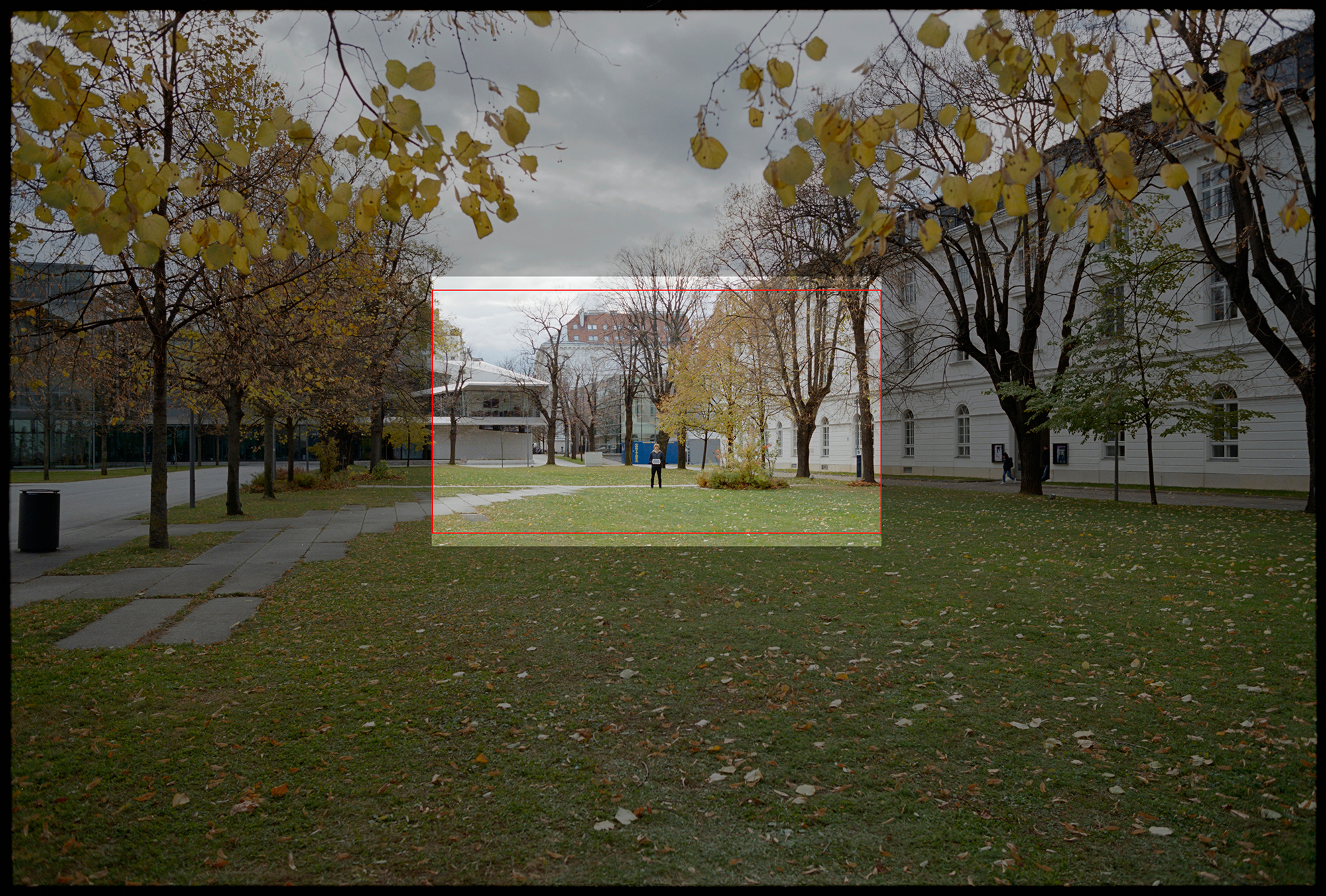
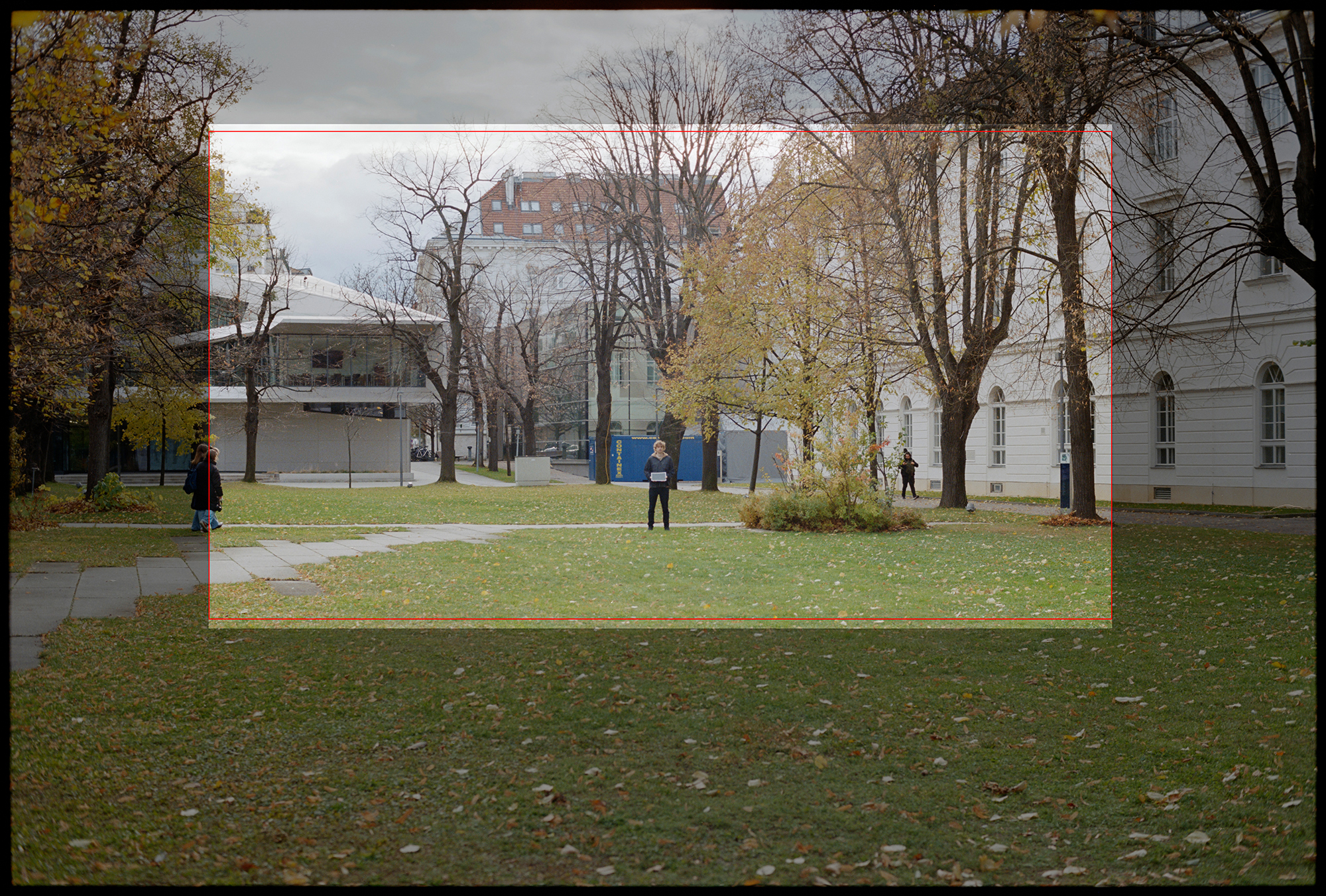
Fig. 1 and 2. Super 16 crop and Super 35 3-Perf crop, including DCI Flat 1.85:1 crop (red outline), from a 24×36 mm full-frame negative.
The photos were scanned at 2K, 4K, and 6K resolutions for both film formats (for scanning details, see section 1.2). For the evaluation in the cinema, the 2K scans were upscaled to 4K, and the 6K scans were downscaled to 4K; all images were cropped to the DCI Flat 1.85:1 format. The resulting negative areas were:
Super 16: 12.35 x 6.67 mm
Super 35 3-Perf: 24.9 x 13.46 mm
By delivering the native aspect ratio and resolution of the DCI standard Barco DP4K-13BLPHC projector used in our university cinema, uncontrolled scaling was avoided. For projection the images were output as 16-bit TIFF files via DaVinci Resolve in a 4K DCI Flat 1.85:1 timeline (3996×2160) in REC 709 Gamma 2.4 color space.
In addition to the cinema evaluation, I analyzed the images on my computer (MacBook Pro with a 15-inch Retina display) in Photoshop. For detailed analysis on the computer display, I viewed the images at their native scan resolutions of 2K, 4K, and 6K in Adobe RGB (1998) color space.
While devising my test procedure, I was aware that film grain and sharpness are perceived differently in a still image as compared to a motion sequence. However, this was not really relevant for my methodology since my primary goal was to make comparisons concerning the resolution limits and appropriate scan resolutions for practical work with different film stocks and formats.
2. Test execution and digitization
I conducted the test in mid-November 2024 on the campus of my university. The weather that day was variable and not consistently sunny, as I had hoped. This led to slight changes in lighting conditions between some test shots. For each format and film stock, I captured a wide shot at T2.8 and T4, a medium close-up at T2.8 and T4, a close-up at T2.8 and T4, and a resolution chart at T4. As a few of the medium close-up shots were misfocused, I excluded that frame size from the final evaluation.
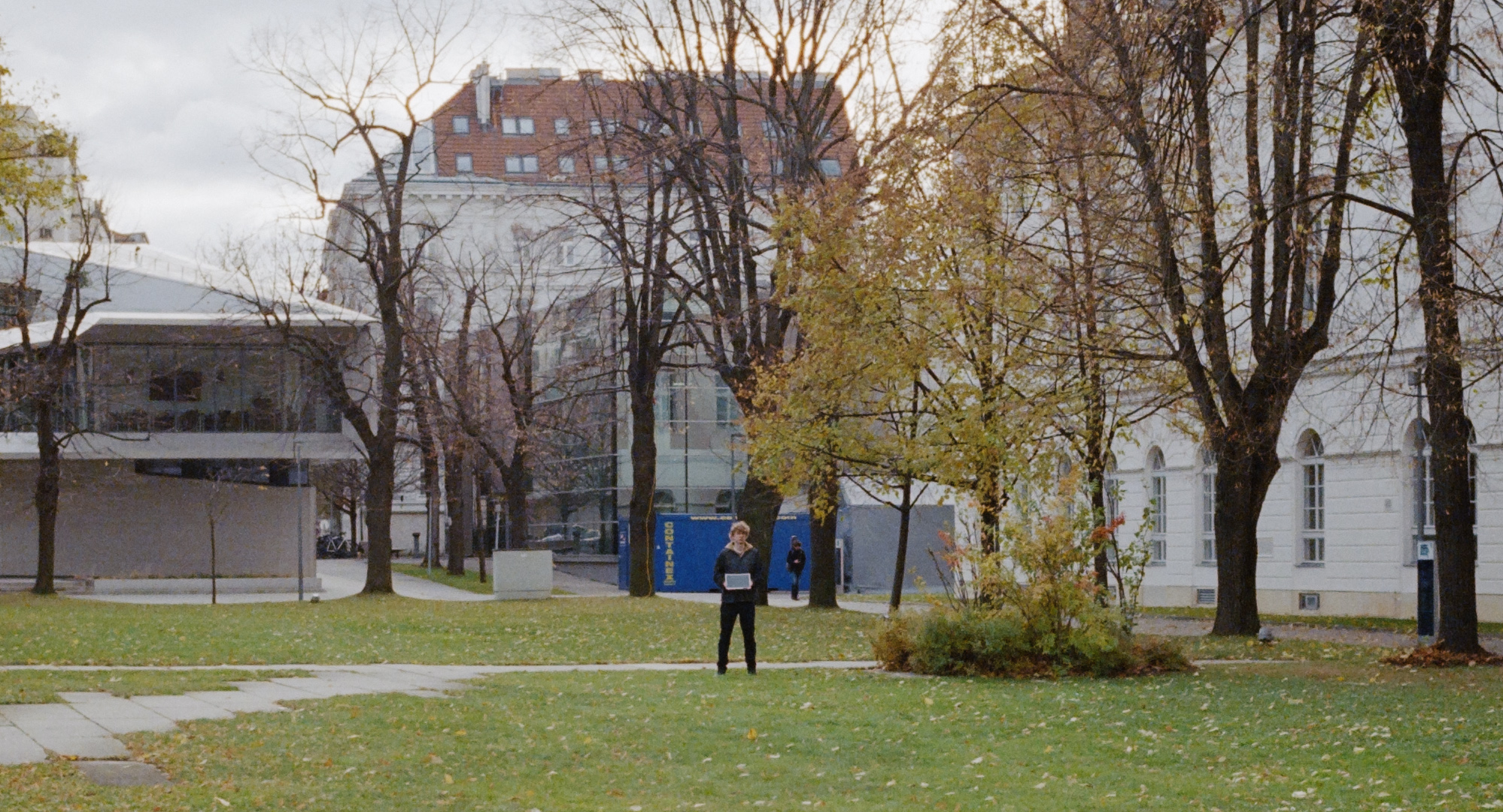

Fig. 3 and 4. Wide shot on 500T in Super 35 3-Perf format, Zeiss CP2 50mm, T4; close-up on 50D in Super 16 format, Zeiss CP2 50mm, T4.
I had the film developed by Andec Cinegrell in Berlin and scanned it myself in collaboration with Wolfgang Kraus, using a Pentax K1 II full-frame DSLR and a Pentax K3 III APS-C (Super 35 equivalent) DSLR. To cover 2K, 4K, and 6K resolution scans for each format, we used different lenses, each optimized for a specific reproduction scale. These lenses are originally designed for industrial applications and offer extremely high optical reproduction quality, outperforming standard macro lenses from still camera manufacturers. For example, a LINOS inspec.x L 5.6/105mm lens is used in the 12K OXScan 65mm scanner from DFT, although in a version optimized for 0.75x magnification rather than the 0.5x version we used. The following lenses were used:
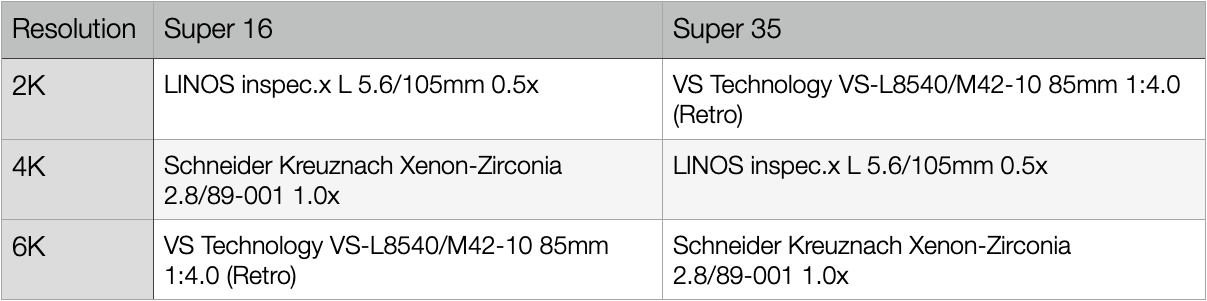
Table 1. Lenses used for digitizing the negatives.
The light source used was a LED panel from Cinestill with a CRI value above 95, which is essential when accurate color reproduction is required. Raw conversion and color adjustment of the images was done in Photoshop. Apart from minimal noise reduction and sharpening, no other manipulations were applied to the images.
3. Uncontrolled Variables
There were a number of uncontrolled variables that arose during the test. While capturing the test images, the lighting conditions changed slightly between some shots. Minor focus errors also occurred between certain images. In the wide shot in Super 35 on 200T, lens flare led to reduced contrast.
Further variables came up during the scanning process. In order to simulate the image sizes of the formats and the different resolutions, we had to use different magnifications. This introduced two additional variables. First, different magnifications required different exposure settings, which led to some variation in RGB values. As a consequence, the same correction curves could not be applied to all images, which caused slight color variations between the images. There were also minor color differences between the various film stocks. However, since color reproduction was not a relevant issue in my test, this only affected the viewing experience but not the overall result.
A second variable in the scanning process resulted from the fact that we were unable to precisely achieve the calculated magnifications needed to obtain the correct pixel width for both formats cropped from the 35mm negatives. The deviations remained within a range of a few percent and had no significant impact on the test results but led to slight differences in image sizes. Table 2 shows the calculated magnifications for each format and camera, with the selected options highlighted in green.
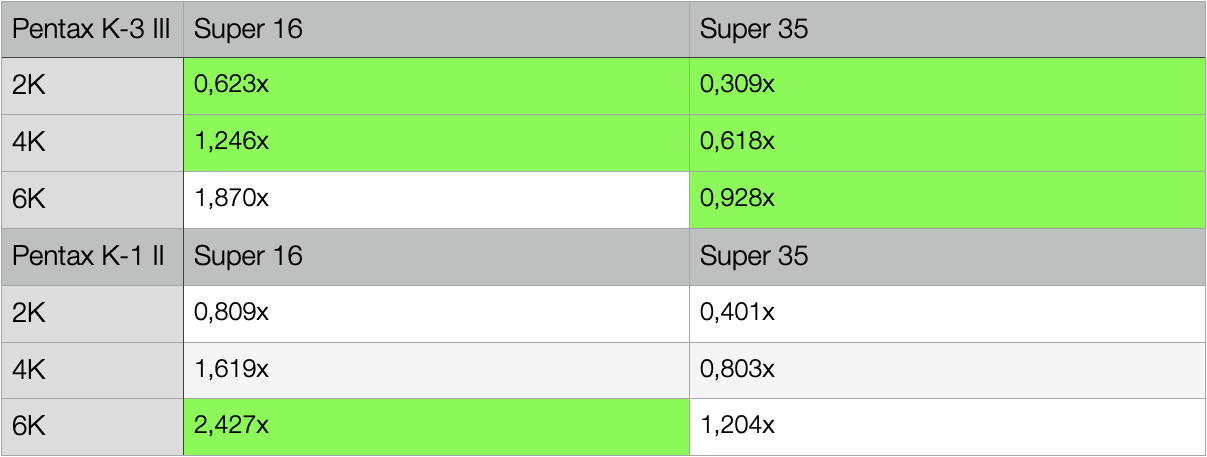
Table 2. Calculated magnifications and cameras used for the digitization of the negatives.
A third variable introduced during scanning was that we decided to avoid correcting the rotation of the images in Photoshop because the interpolating algorithms used in post-processing degrade image resolution and produce artifacts. Instead, we tried to position the images as precisely as possible. However, slight differences remained leading to minor variations in image rotation, which again are not relevant for the conclusions to be drawn from the test.
I learned a great deal from conducting this test; now I know what could be improved next time. Despite the variables mentioned above and some other things that, in hindsight, could have been handled better, I am confident that the test was conducted at a high professional level.
4. Test Results
When comparing the upscaled 2K scans, the native 4K scans, and the downscaled 6K scans, the most noticeable advantage of higher-resolution scanning can be observed in the reproduction of film grain. This applies to both Super 16 and Super 35 3-Perf. While the 6K scans were not too different from the 4K scans, both showed more clearly defined but also more uniform grain patterns in contrast to the 2K scans, which showed grain-related artifacts rather than the grain itself. Color reproduction was also found to benefit from higher scan resolutions, while the 2K scans showed less homogeneous areas and color gradients.
In Super 16, there is a slight difference in detail reproduction between the upscaled 2K scans and the native 4K scans. However, there is little relevant difference between the native 4K scans and the downscaled 6K scans.
In contrast to Super 16, with Super 35 3-Perf there is a significant difference between the upscaled 2K scans and the native 4K scans. The 2K scans are noticeably less sharp and fail to reproduce fine details that are clearly visible in 4K scans. Again, no relevant differences in detail reproduction can be observed between the native 4K scans and the downscaled 6K scans.
With the 2K scans of all film stocks in both formats, aliasing occurs on the resolution chart. This indicates that the film contains frequency components higher than half the sampling frequency. In other words, aliasing proves that the scan resolution is too low to fully capture the information contained in the film.
Apart from that, when examining the resolution chart in cinema projection, it is evident that the resolution limit differs only slightly between the various formats and film stocks. In Super 35, the maximum visible resolution is approximately 76 line pairs per mm. In 16mm, a maximum of 67 line pairs can be distinguished. Given that the format and film speed have a significant effect on absolute resolution that, however, cannot really be seen in the projection, it is evident that the reproduction system – projector and visual perception – is the limiting factor.
C
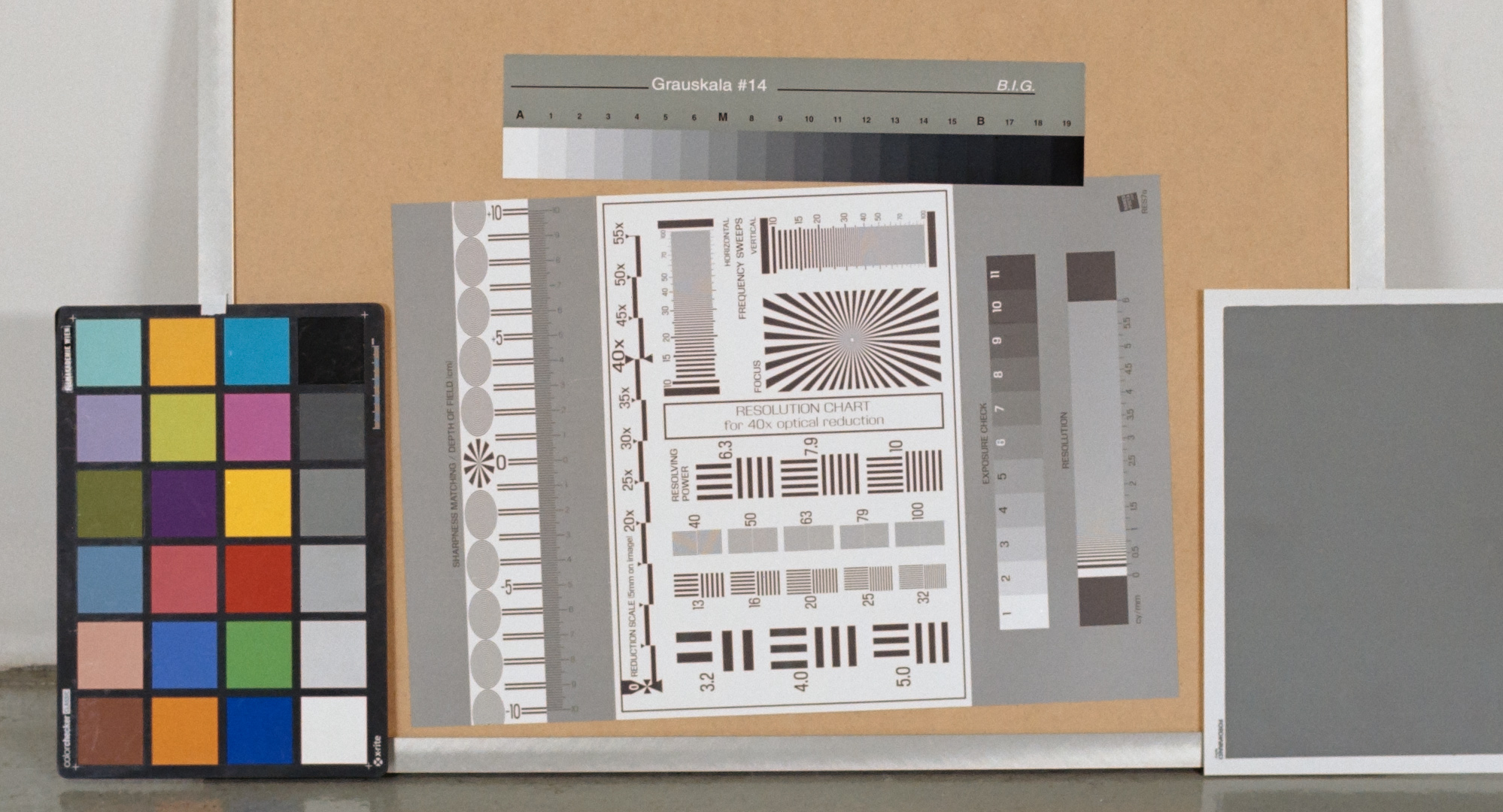
Fig. 5. Resolution chart (Danes-Picta RES7o) on 50D in Super 35 3-Perf.
When viewing the test images on a computer display at their native resolution without any rescaling, significantly more differences can be seen. The higher the scan resolution, the more details are visible on the chart. As an example, the resolution chart shot in Super 16 on 50D shows aliasing in field 40 at 2K resolution, separate lines up to field 50 at 4K, and separate lines up to field 63 at 6K.
Similarly, in the Super 35 3-Perf images shot on 500T, aliasing appears in field 40 at 2K resolution, separate lines are visible up to field 63 at 4K, and up to field 79 at 6K. It is therefore evident that increasing scan resolution allows for more information to be extracted from the film.
In contrast to projection, the resolution differences between the film stocks are also more apparent. The maximum resolution of 50D and 200T is similar (an observation confirmed by comparing the MTF curves of these films), whereas 500T falls significantly behind. Table 3 provides an overview of the maximum discernible resolutions on film in line pairs per mm for the different film stocks at various scan resolutions. The absolute resolution figures do not exactly match the given values; due to the chosen distance from the test chart, they must be multiplied by a factor of 1.06.
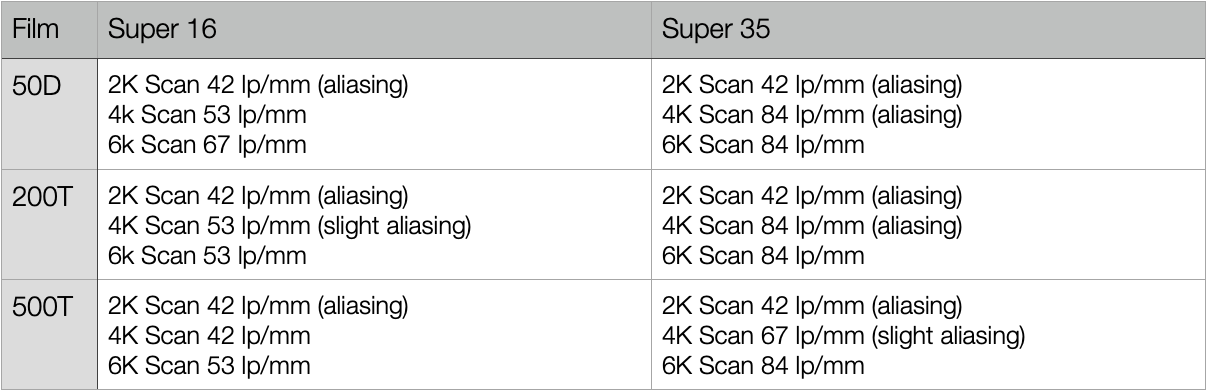
Table 3. Resolution limits of the tested film stocks by formats and scan resolutions, visually determined in Photoshop.
To further approximate the maximum resolution of a high-resolution film, which cannot be fully reproduced even at 6K, I digitized the resolution chart shot on 50D in Super 35 3-Perf once again at a higher magnification of 2.31x (equivalent to approximately 11.5K). At this magnification, lines were visible up to field 100 (corresponding to a film resolution of 106 line pairs per mm). This demonstrates that even at 6K scanning, digitization introduces limitations that are not inherent to the film material itself. Although such high resolutions are rarely utilized in post-production, the results are relevant as they reveal the limits of digital reproduction—an essential factor in hybrid workflows with analog film.
5. Conclusion
After evaluating the test, my conclusion is that for theatrical viewing, scanning at 4K is a reasonable choice for both Super 16 and Super 35 3-Perf. 4K scans ensure good reproduction of details and render film grain and colors very well. Especially in Super 35 the negatives do contain additional information, but this information cannot be fully represented in 4K projection and is therefore only relevant, at best, for post-production.
What is particularly interesting is that it is now relatively easy to scan at resolutions that exceed what can be displayed in projection. As display technology continues to advance, it would be worth investigating whether the overall impression of digitized film material changes. The advantages of scanning at resolutions higher than 4K may be relevant in post-production, but whether such a workflow makes sense should be evaluated on a case-by-case basis, not least from an economic point of view because higher-resolution scans always come with significantly increased costs.
Additionally, the findings described above depend on the film stock used and the method of exposure. Furthermore, not all scanners offer resolutions beyond 4K. Ideally, a test should be conducted before starting a project to compare different scanners and workflows, determining in advance which combination of film stock, scanner and scan resolution is best suited in aesthetic, technical and economic terms for the project.
6. Image Comparison
For a first comparative impression of my test results, see the images below. For a serious evaluation, make sure to download the full resolution files using the button at the end of the page.


Fig. 6 & 7. Super 16 50D, Zeiss CP2 50mm T2.8 scanned at 2K (left) vs. Super 16 500T, Zeiss CP2 50mm T2.8 scanned at 2K (right).
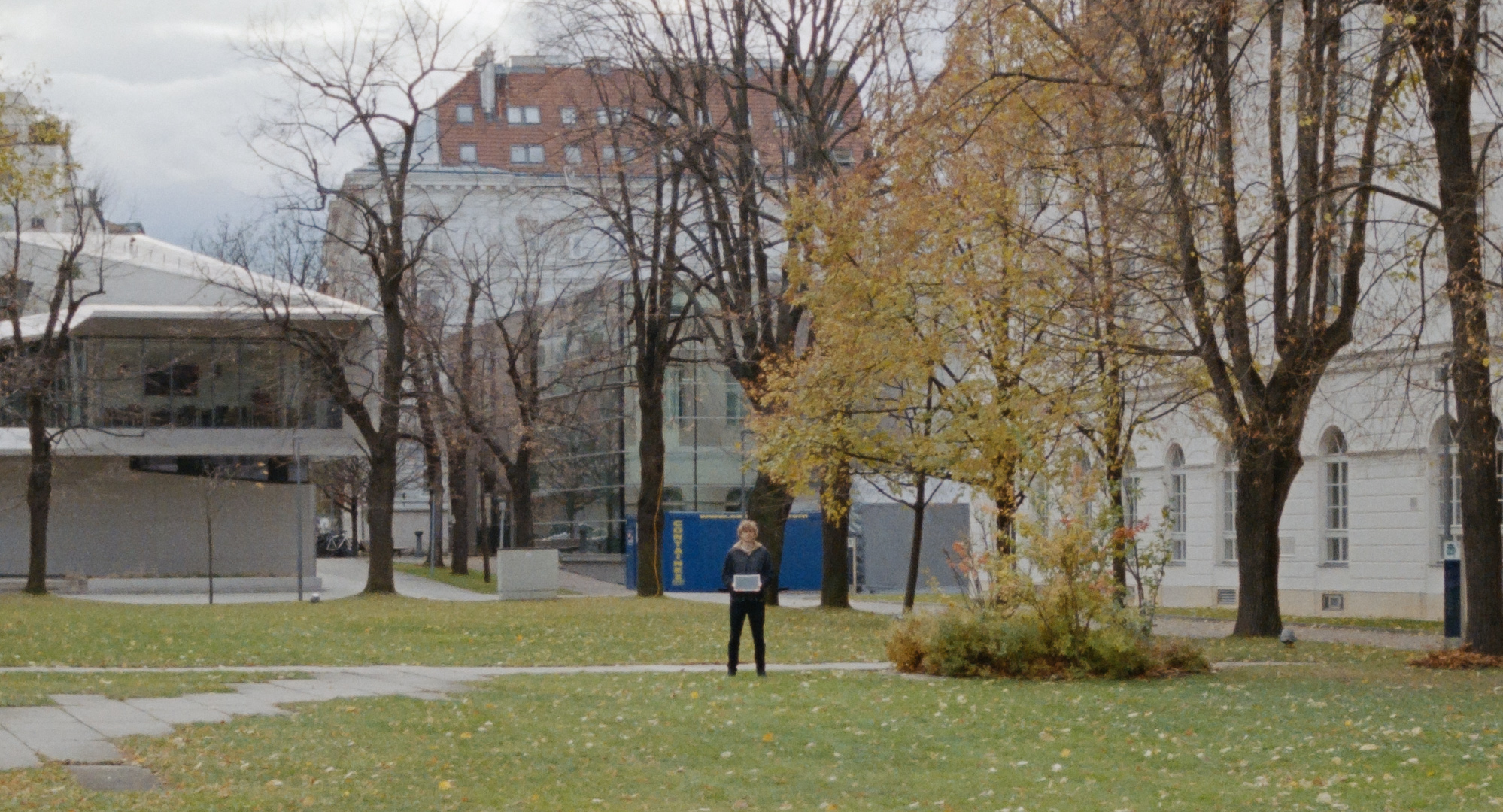
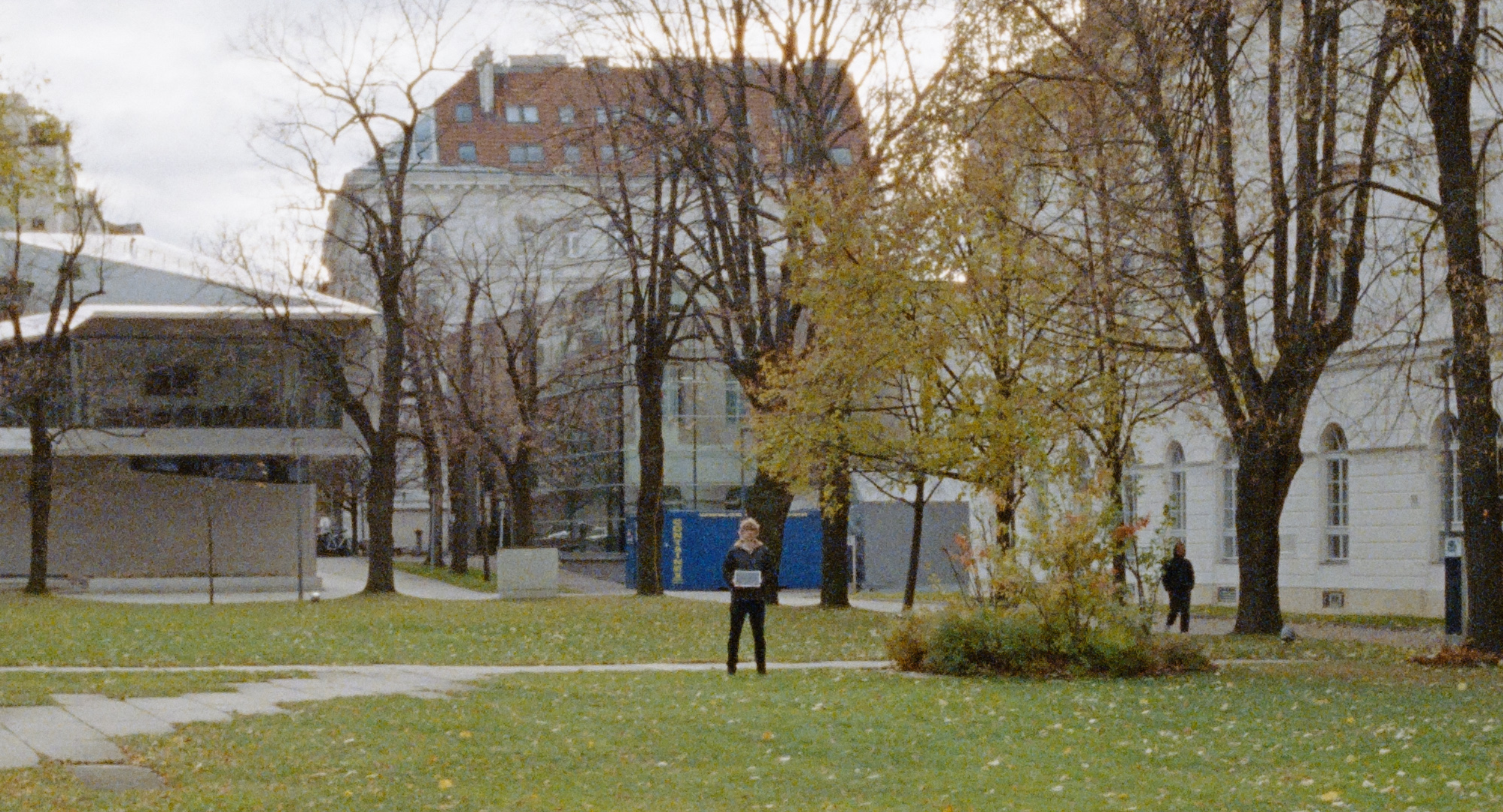
Fig. 8 & 9. Super 16 50D, Zeiss CP2 25mm T2.8 scanned at 2K (left) vs. Super 16 500T, Zeiss CP2 25mm T2.8 scanned at 2K (right).

Fig. 10 & 11. Super 16 50D, Zeiss CP2 50mm T2.8 scanned at 2K (left) vs. Super 16 200T, Zeiss CP2 50mm T2.8 scanned at 2K (right).
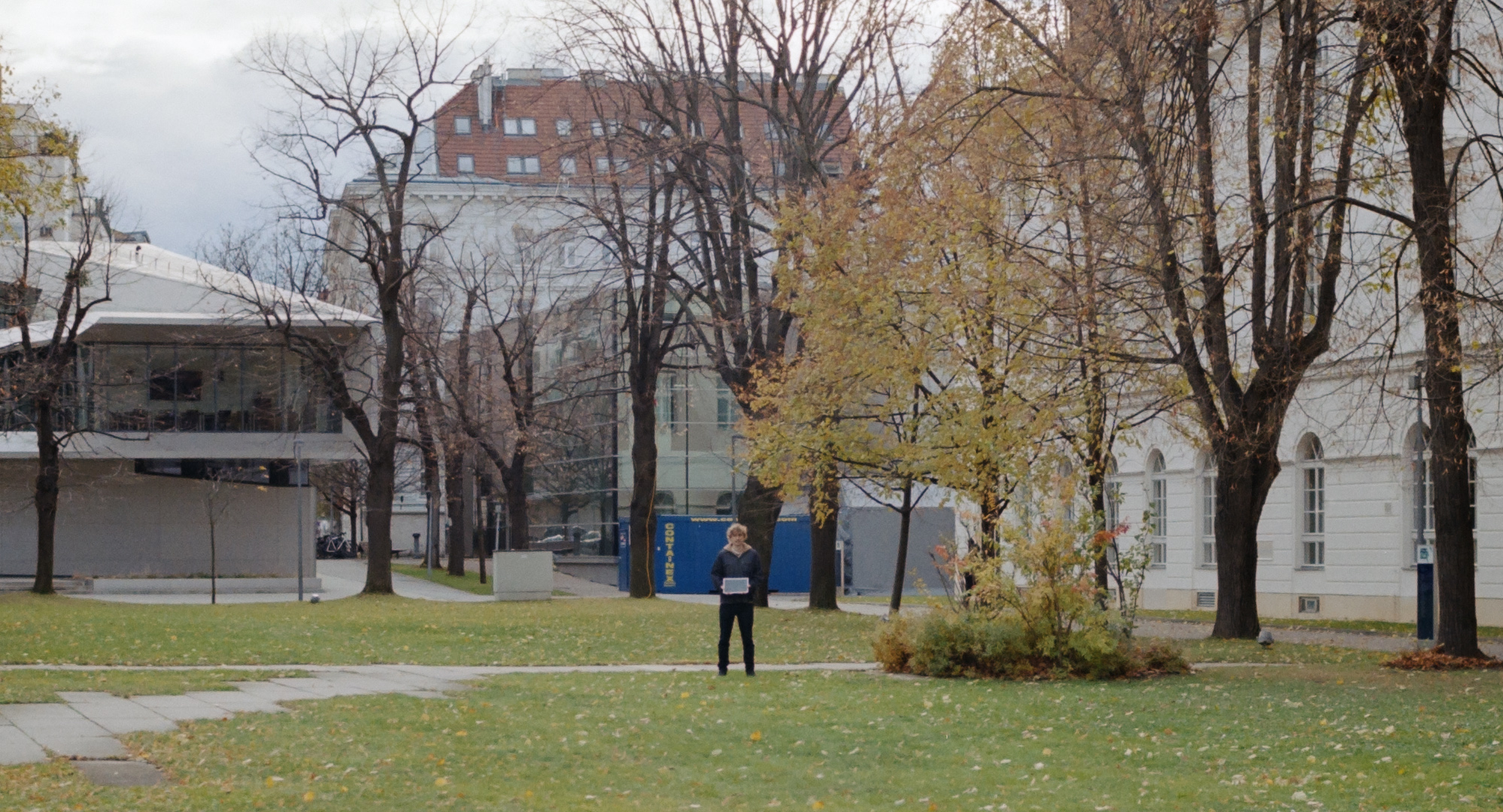
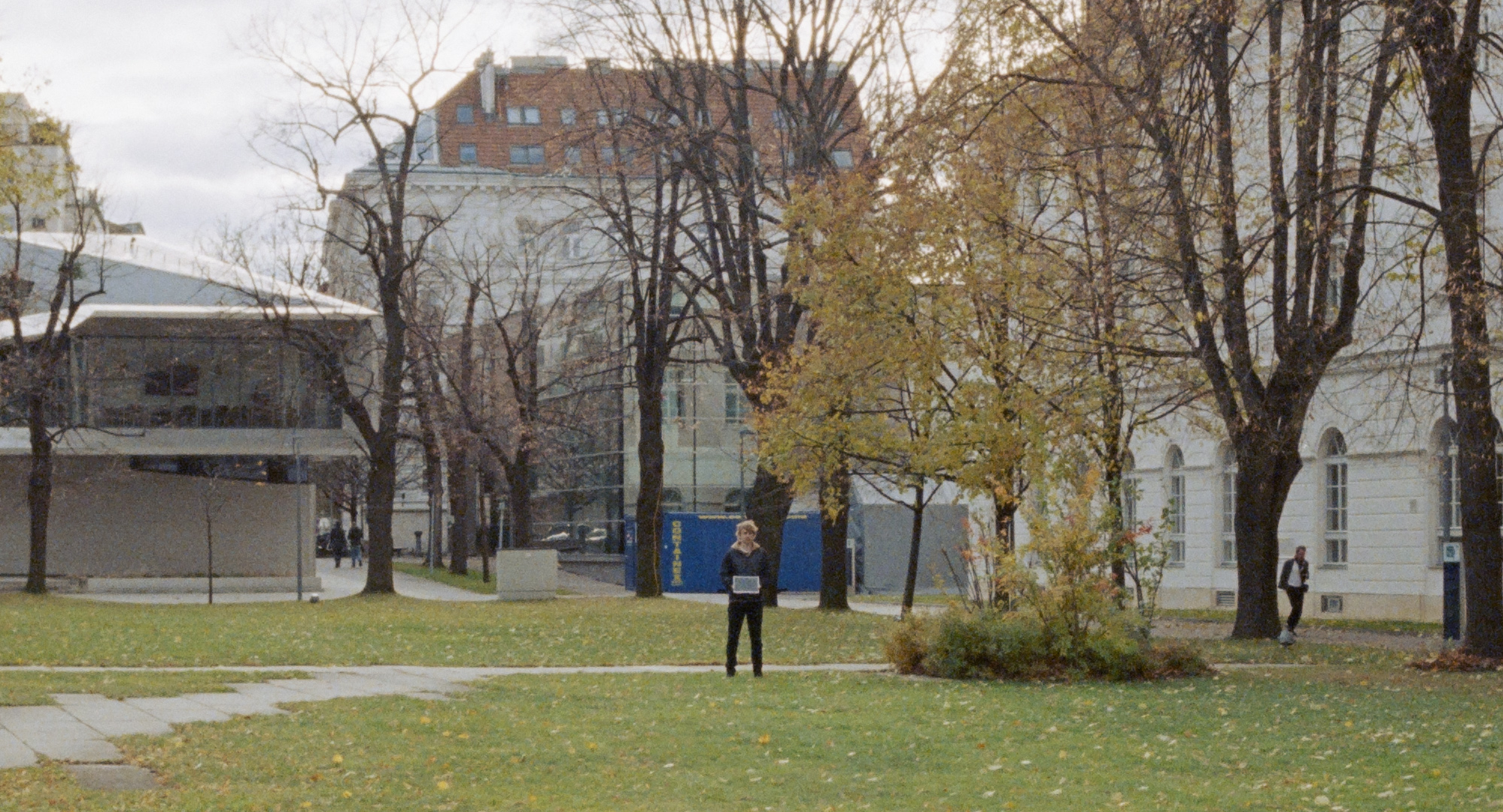
Fig. 12 & 13. Super 16 50D, Zeiss CP2 25mm T2.8 scanned at 2K (left) vs. Super 16 200T, Zeiss CP2 25mm T2.8 scanned at 2K (right).


Fig. 14 & 15. Super 35 3-Perf 50D, Zeiss CP2 100mm T2.8 scanned at 2K (left) vs. Super 35 3-Perf 500T, Zeiss CP2 100mm T2.8 scanned at 2K (right).
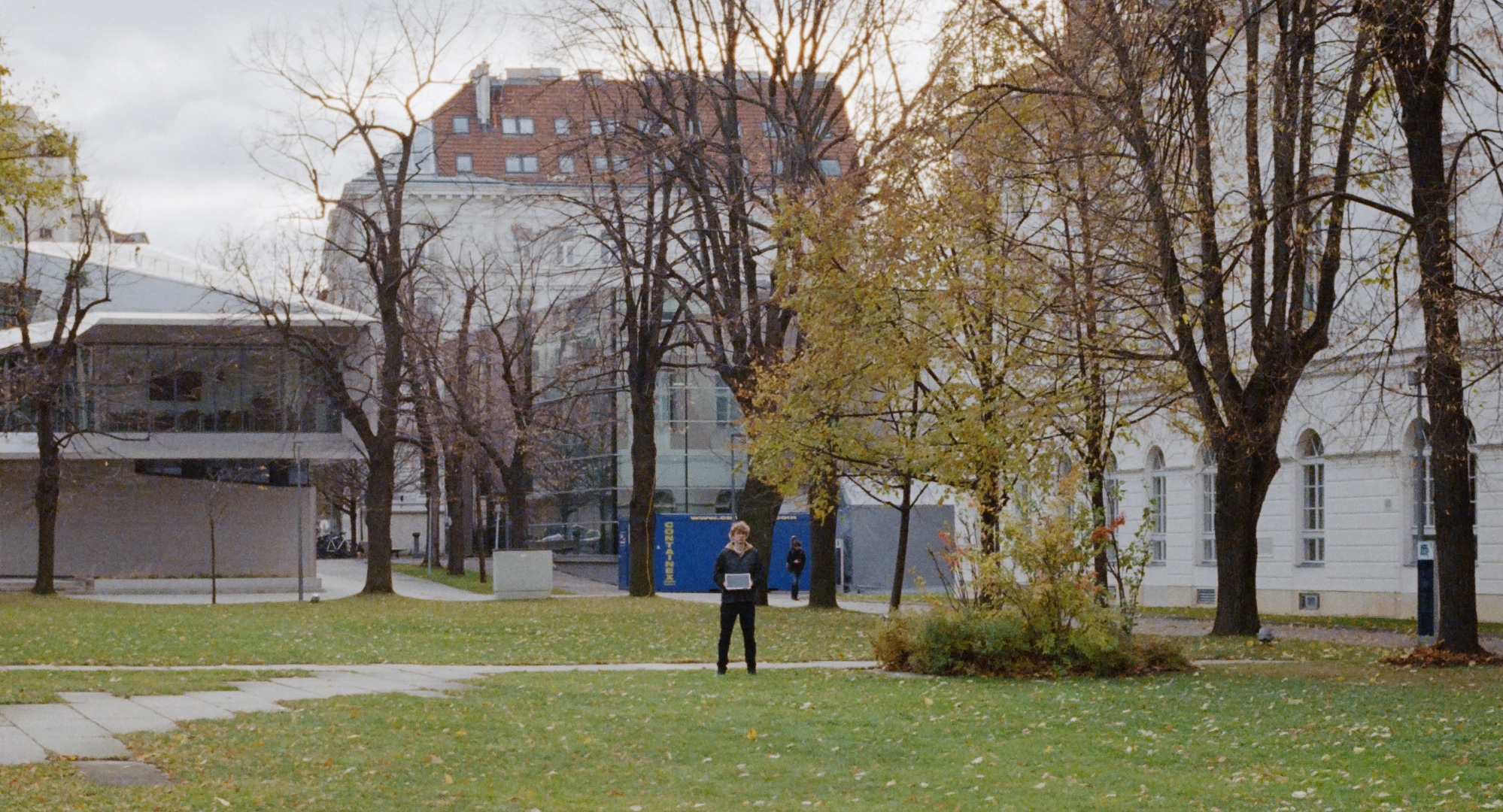
Fig. 16 & 17. Super 35 3-Perf 50D, Zeiss CP2 50mm T2.8 scanned at 2K (left) vs. Super 35 3-Perf 500T, Zeiss CP2 50mm T2.8 scanned at 2K (right).

Fig. 18 & 19. Super 35 3-Perf 50D, Zeiss CP2 100mm T2.8 scanned at 2K (left) vs. Super 35 3-Perf 200T, Zeiss CP2 100mm T2.8 scanned at 2K (right).
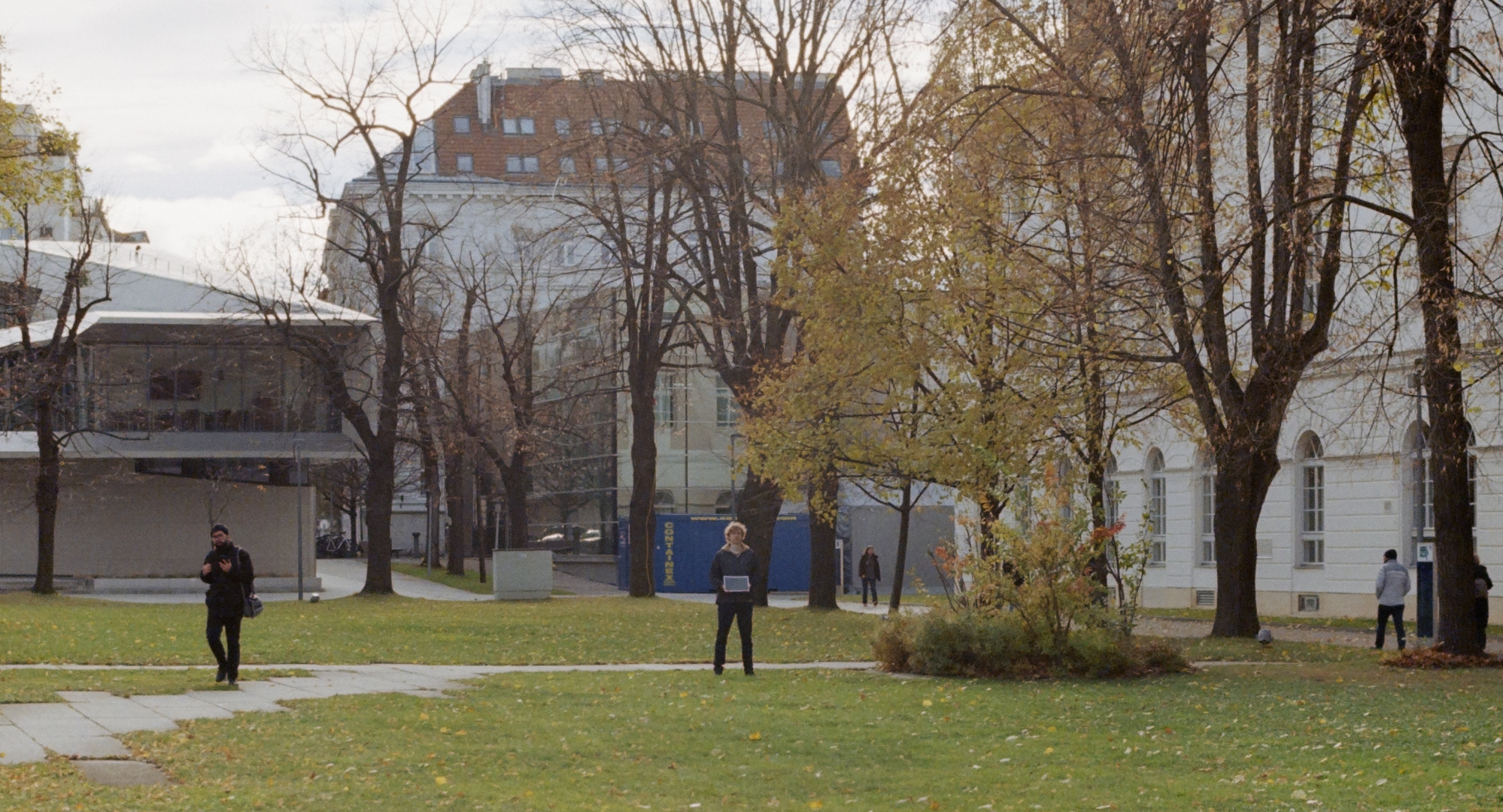
Fig. 20 & 21. Super 35 3-Perf 50D, Zeiss CP2 50mm T2.8 scanned at 2K (left) vs. Super 35 3-Perf 200T, Zeiss CP2 50mm T2.8 scanned at 2K (right).
Fig. 22 & 23. Super 16 50D, Zeiss CP2 50mm T2.8 scanned at 2K (left) vs. Super 35 3-Perf 500T, Zeiss CP2 100mm T2.8 scanned at 2K (right).
Fig. 24 & 25. Super 16 50D, Zeiss CP2 25mm T2.8 scanned at 2K (left) vs. Super 35 3-Perf 500T, Zeiss CP2 50mm T2.8 scanned at 2K (right).
Using the buttons below, you can download all the test images I created for this test, as well as my bachelor thesis (at the time being, only available in German). This allows you to review the results yourself and evaluate the images at your own discretion.
If you have feedback or any questions, feel free to contact me on hello@florian-noever.com.
All content on this page is licensed under a CC BY-NC 4.0 license.